Roger was fortunate to be an invited speaker at the 2025 SSRL/LCLS User Meeting held at SSRL in Menlo Park, CA, Sep 21-26. In his talk (above), he presented exciting micro-X-Ray Fluorescence maps of different sulfur species in cryosectioned eelgrass roots and rhizomes. The results point to at least two different defense mechanisms that these enigmatic plants use to counteract the nighttime threat of a potent phytotoxin, hydrogen sulfide. Roger and coauthor Jocelyn Richardson are writing up their preliminary study for submission to New Phytologist. Next steps are likely to include studies of seagrasses grown in controlled laboratory settings, to isolate different pathways of sulfur transformations in the organisms.
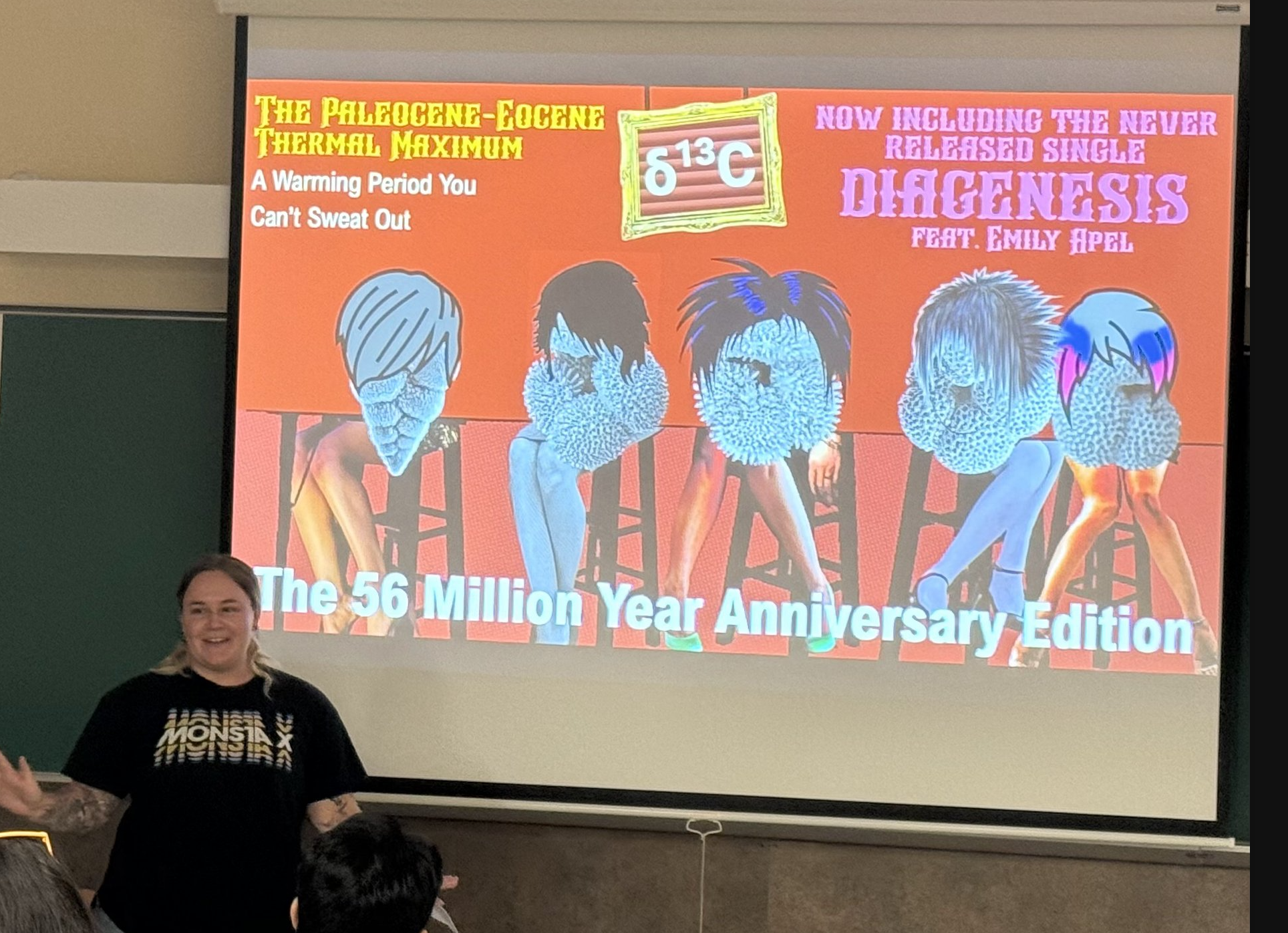
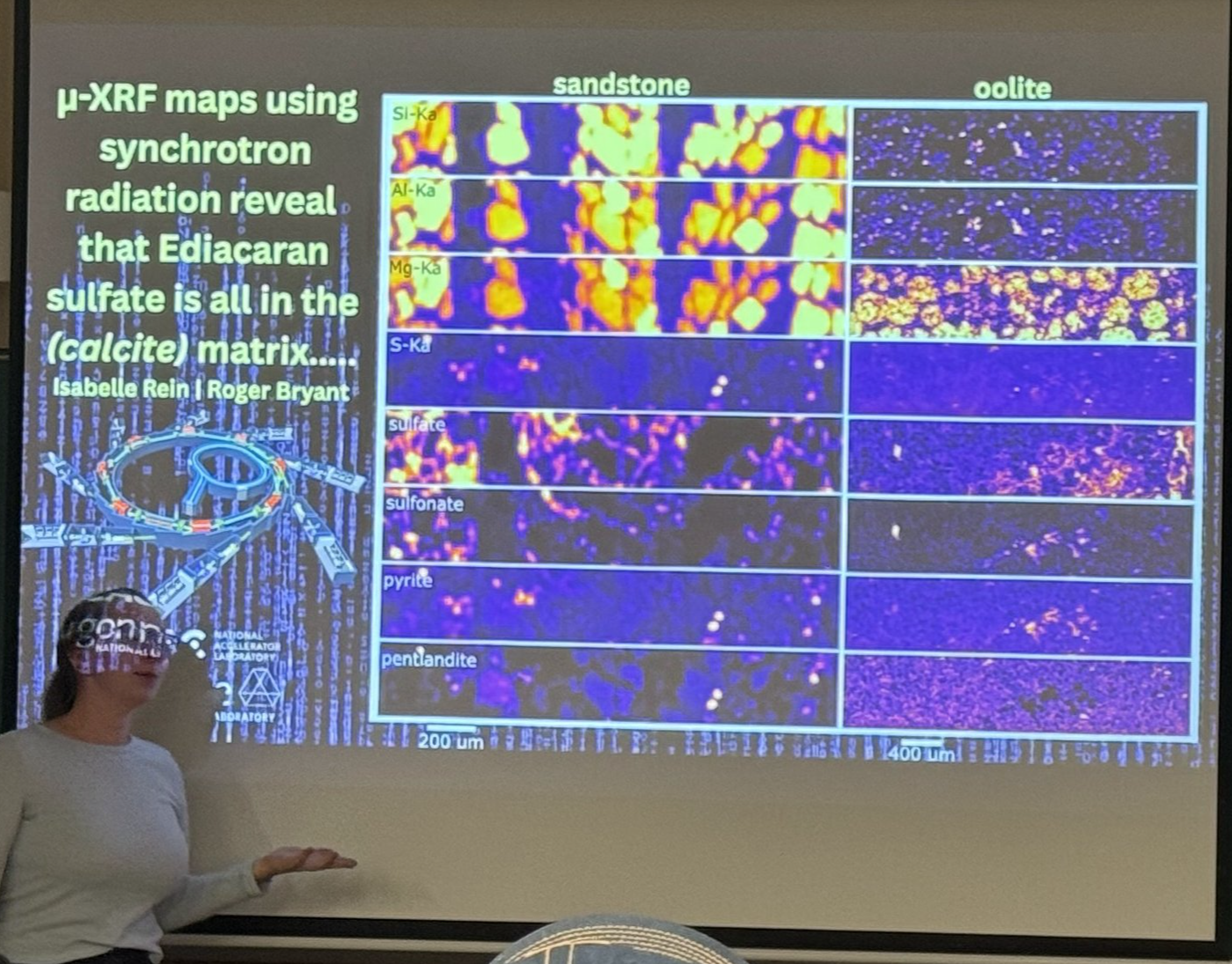
Happy first week of classes! Emily and Isabelle both presented slides at the EAPS Research Blitz during our department colloquium. Congratulations to Emily for an honorable mention!
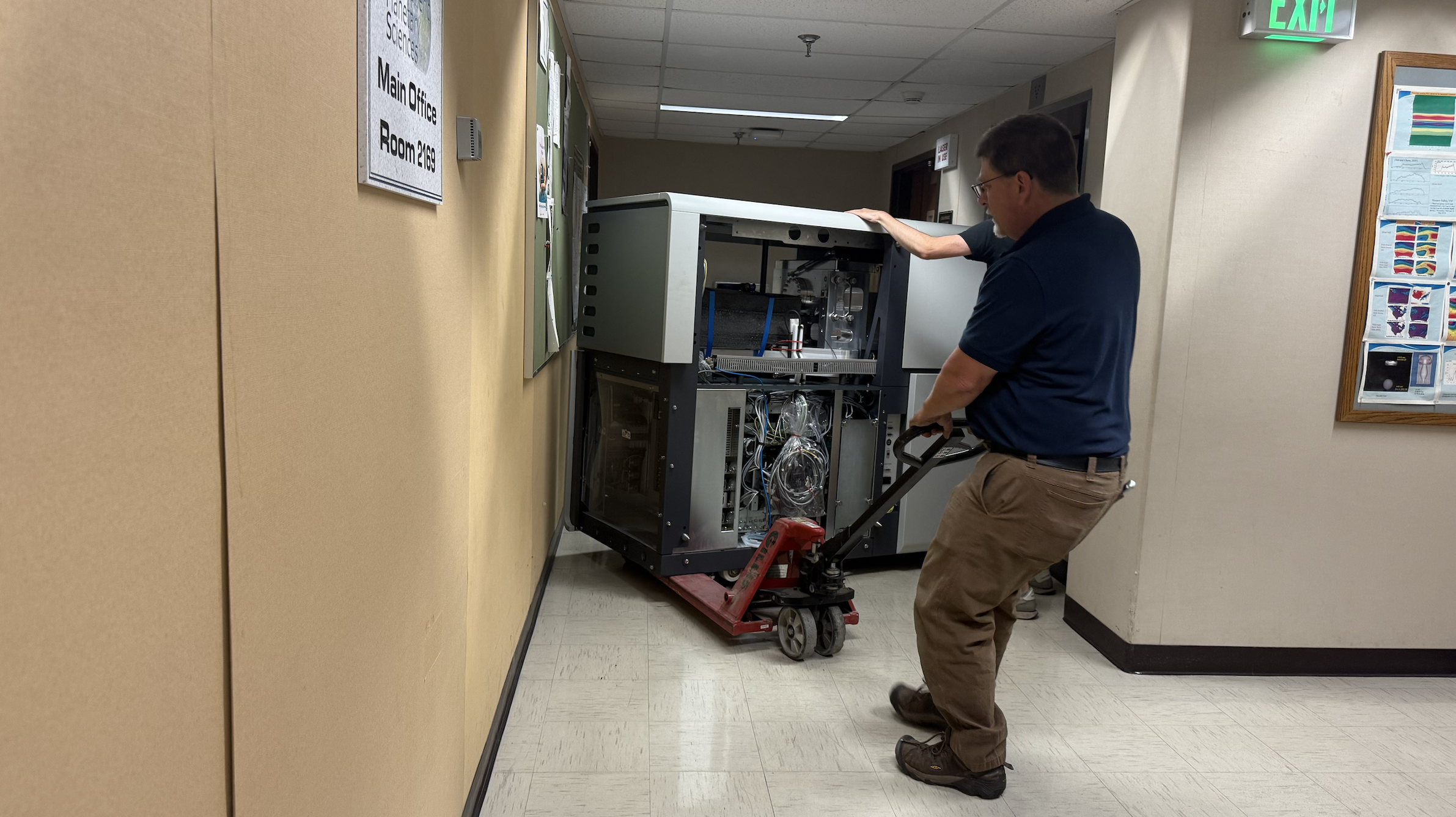
Bringing the MC-ICP-MS up onto the 4th floor! A tight fit in the hallway!
Finally into the lab space! We are getting there!
This August, our brand-new instrumentation arrived — the Neoma™ MC-ICP-MS! We spent a busy (and very exciting) week getting it installed in our new space. The room is still coming together, but by the end of September, we’ll be up and running.
Stay tuned for more behind-the-scenes looks as we get the lab ready for science in action!
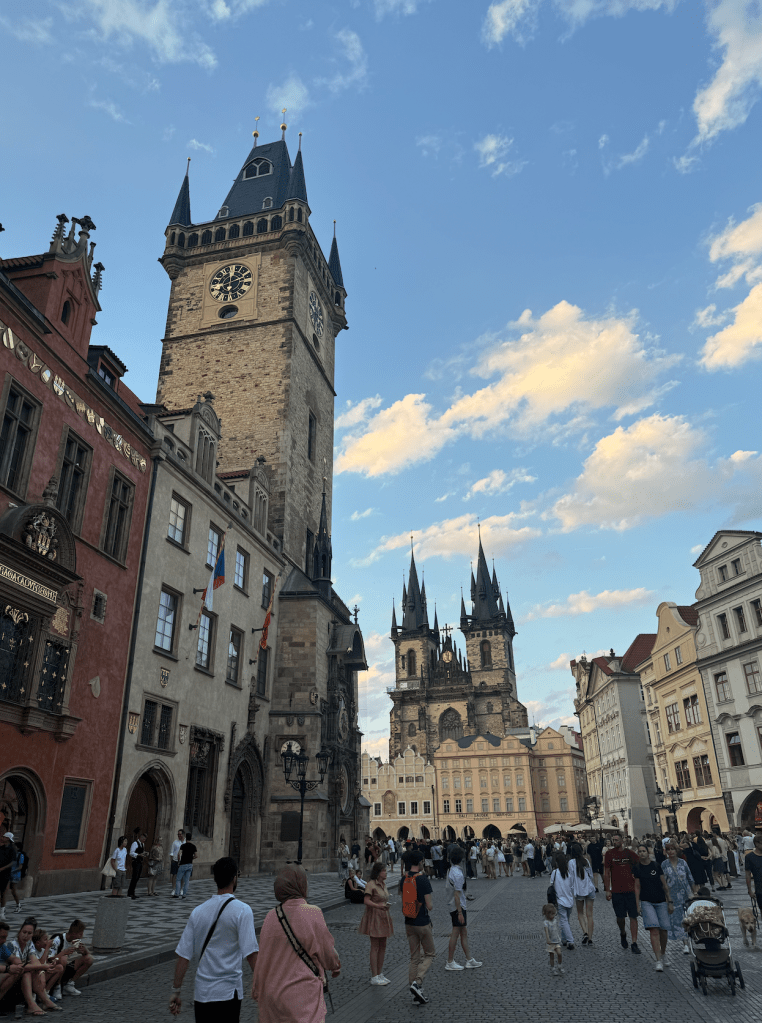
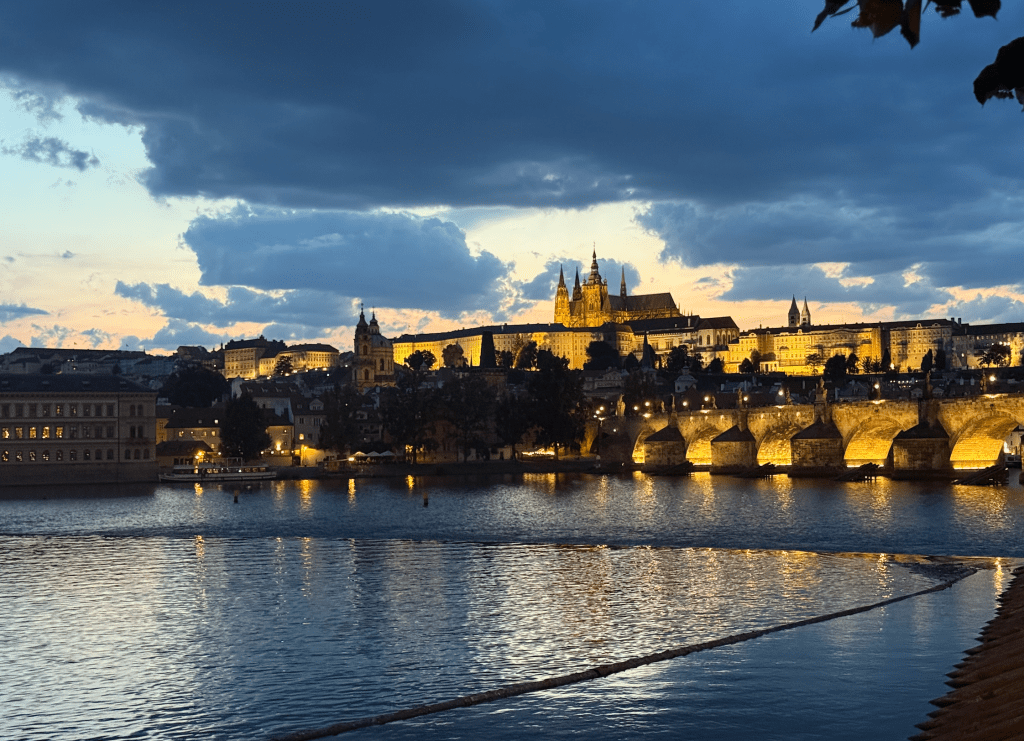
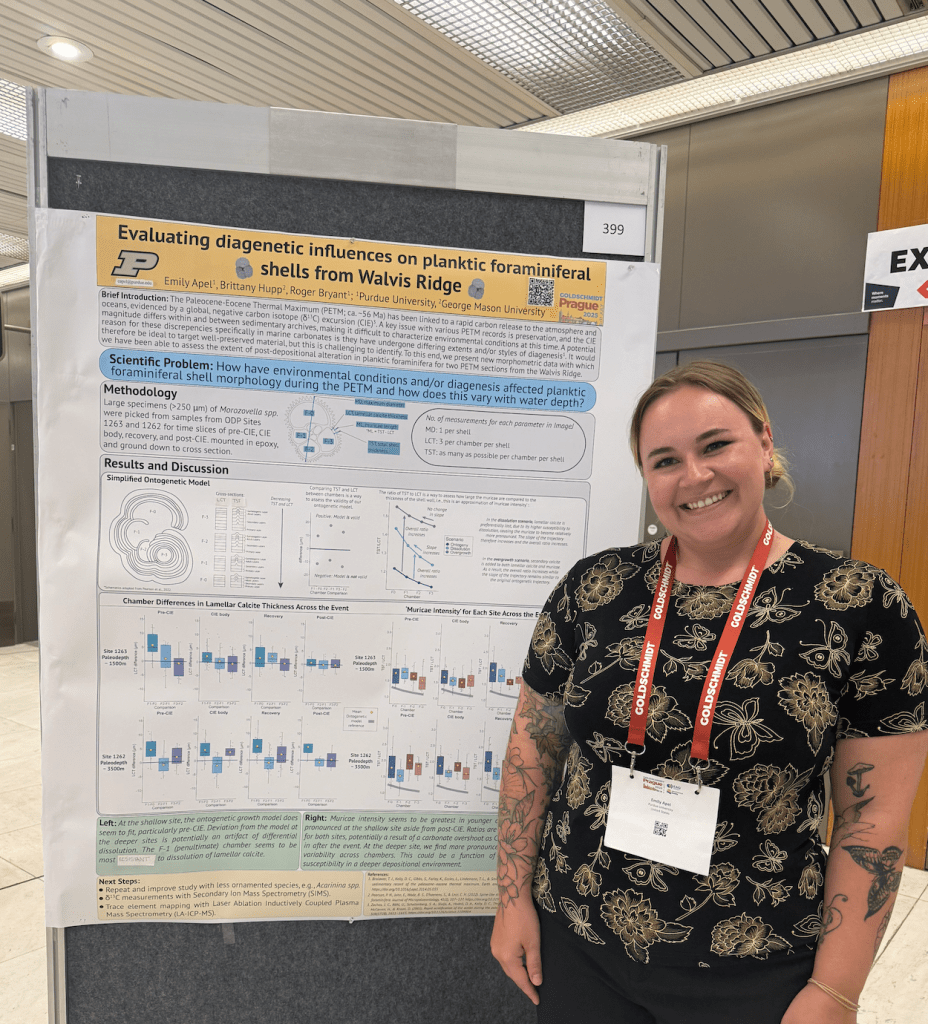
This Summer, Emily traveled to the Annual Goldschmidt Conference in Prague, where she presented the latest research results on diagenetic influences on foraminifera from the Paleocene-Eocene Thermal Maximum.
Her project focused on morphometric data collected from two PETM sections on the Walvis Ridge, which she used to evaluate the extent of post-depositional alteration.
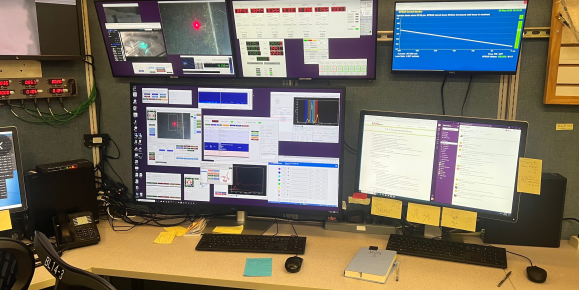
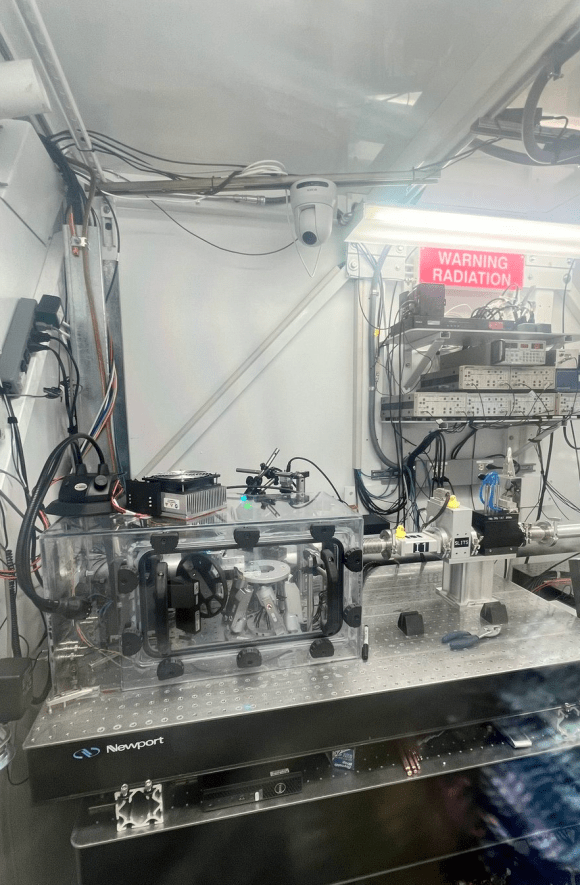
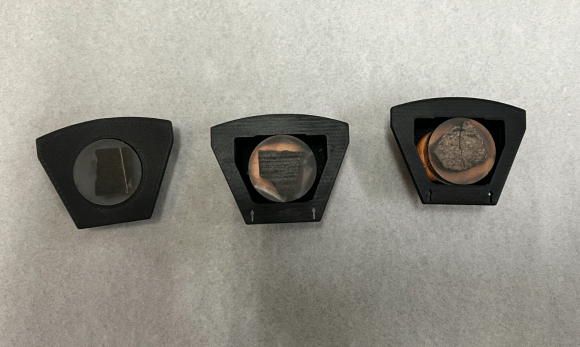
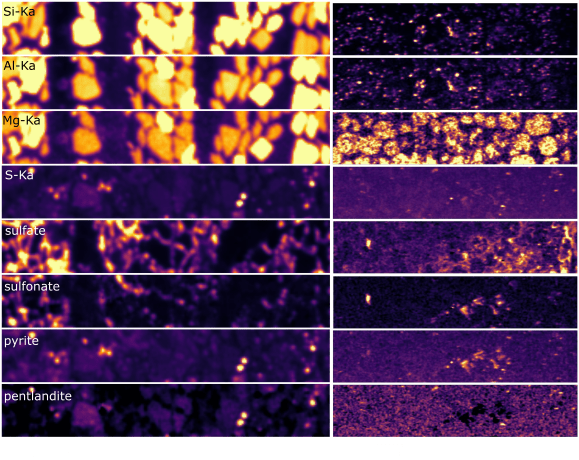
This summer, Isabelle travelled to the Stanford Synchrotron Radiation Lightsource (SSRL)! She collected data for Micro X-ray Fluorescence maps on Ediacaran and Cambrian carbonate rocks in an effort to understand how sulfur is preserved in Ediacaran-Cambrian carbonate rocks.
Synchrotron analyses are unique because, not only can it provide elemental chemistry data but, it can parse out different phases of sulfur (e.g., sulfate, sulfonate, pyrite, pentlandite). We can then use this information to evaluate how co-located sulfur phases are with one another, which can help us interpret the likelihood that carbonate-assocated sulfate is primary or diagenetic. These maps will serve as important context for interpreting sulfur isotopes that we measure in our BRAND NEW LAB (woo!)
Emily traveled to George Mason University this summer to work with her collaborator, Brittany Hupp. She spent a week in Brittany’s lab on the Potoamac River completing a detailed assemblage of planktic foraminifera for a stratigraphic section from the southeast Atlantic.
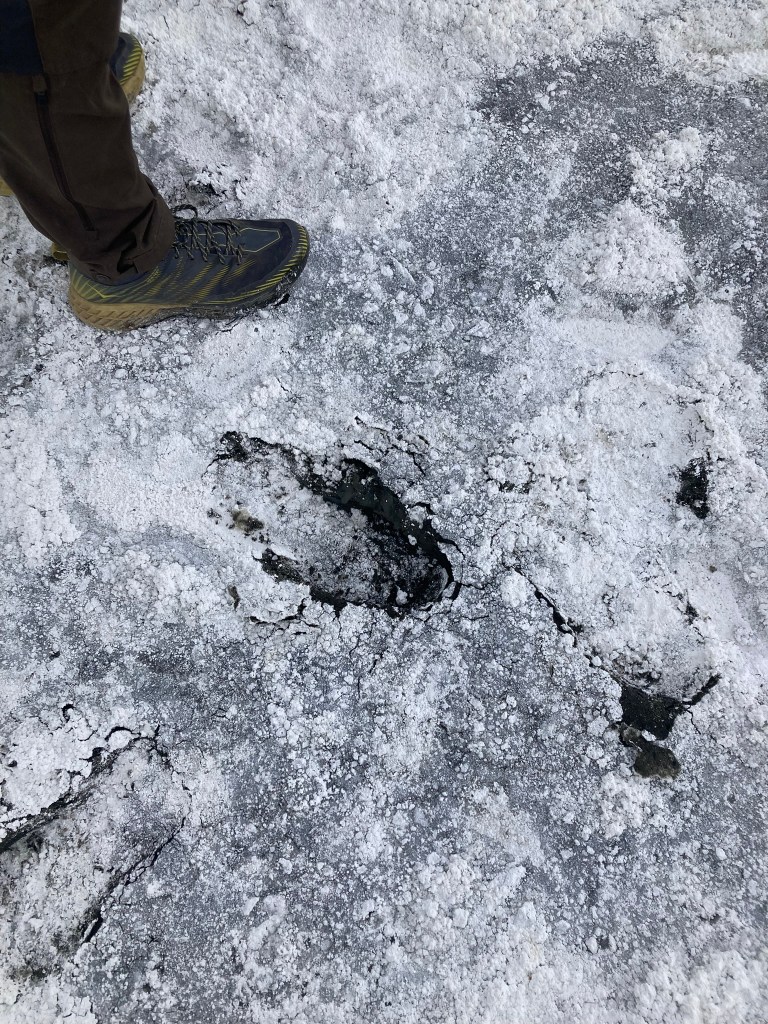
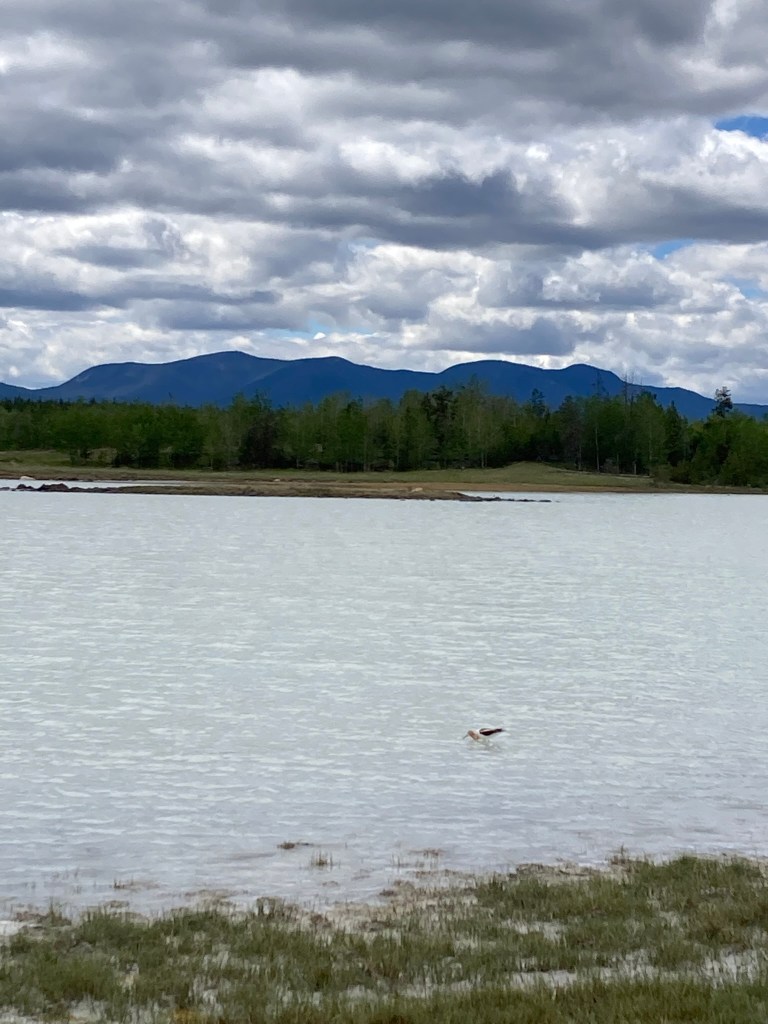
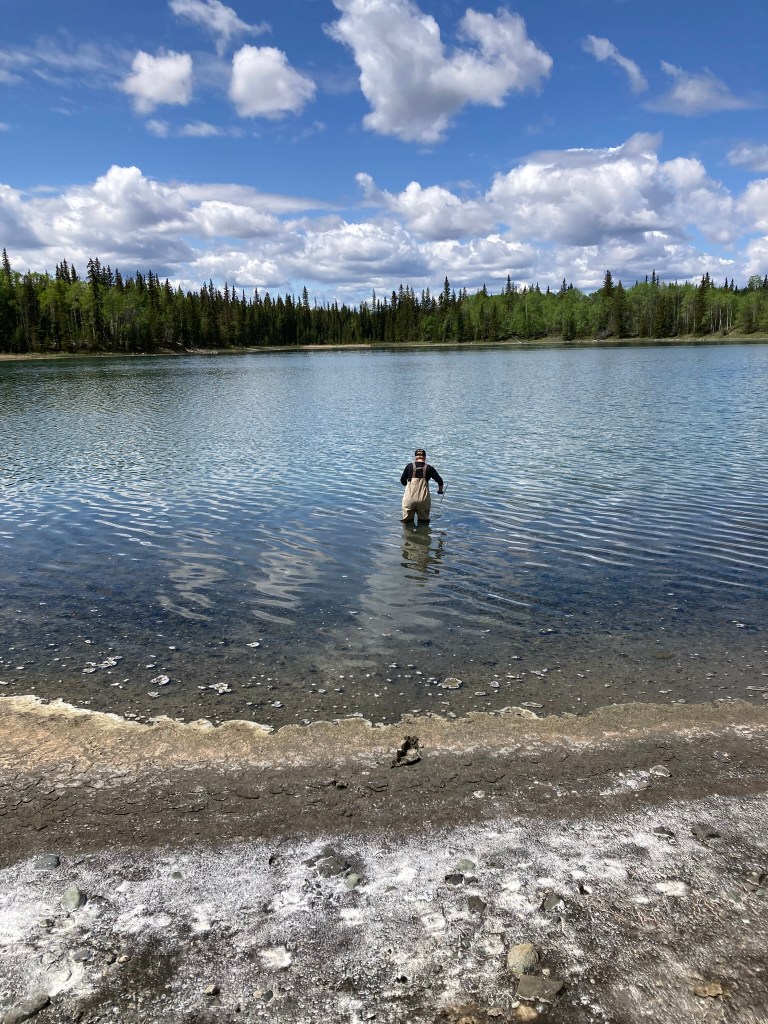
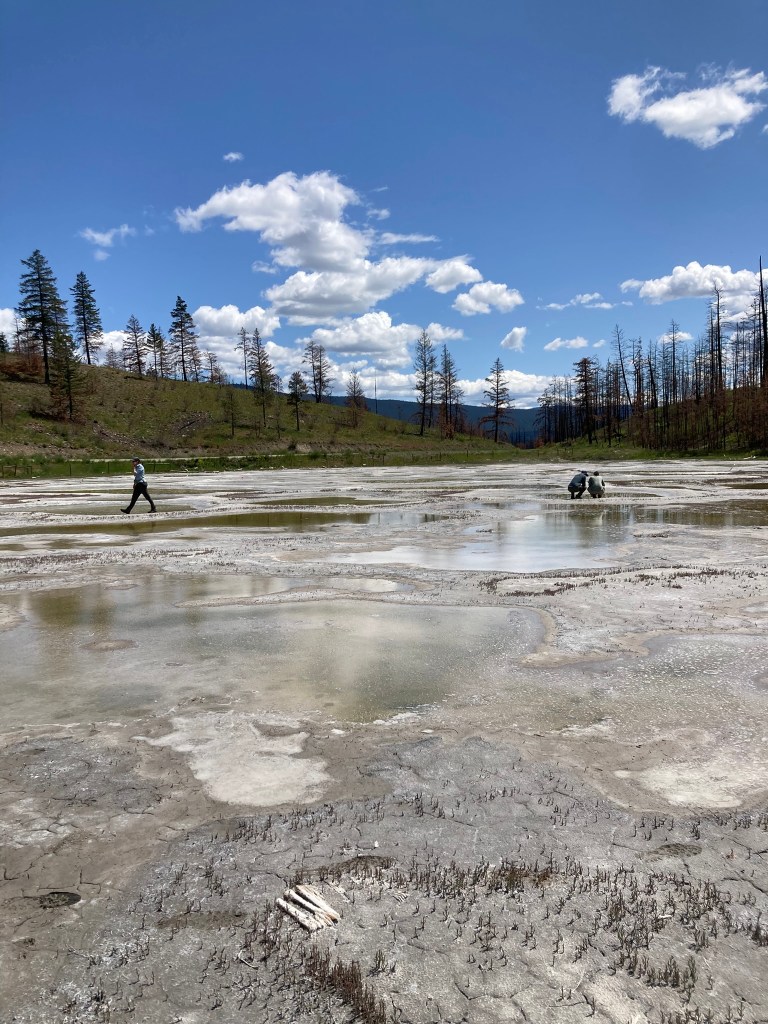
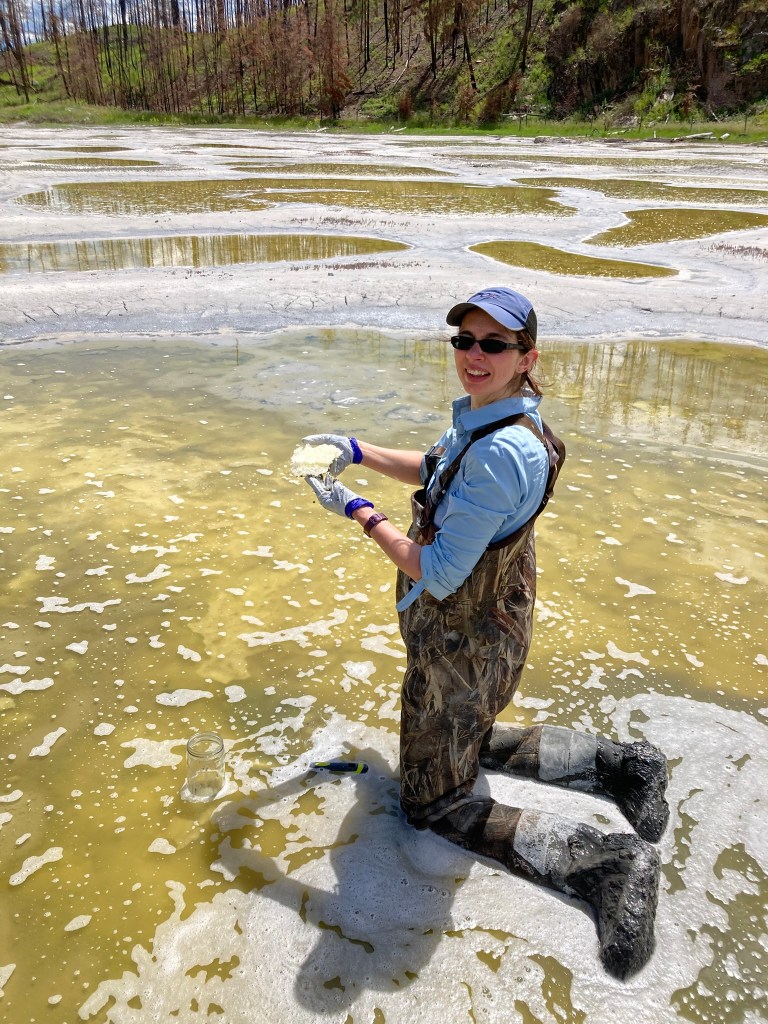
In May-June 2025, Roger traveled to the Cariboo Plateau (BC, Canada) to join in with some fun fieldwork with Sasha Wilson, Jonathan Spence (U Alberta), Maija Raudsepp (Macewan U), Ian Power, and Jamie Burnett (Trent U).
The Lakes on the Plateau have interesting chemistry such as very high alkalinity and salinity, lots of unusual carbonate minerals like magnesite, and some may be analogs for aqueous environments on early Earth and Mars.
Stay tuned for some geochemical data from the lake sediments!
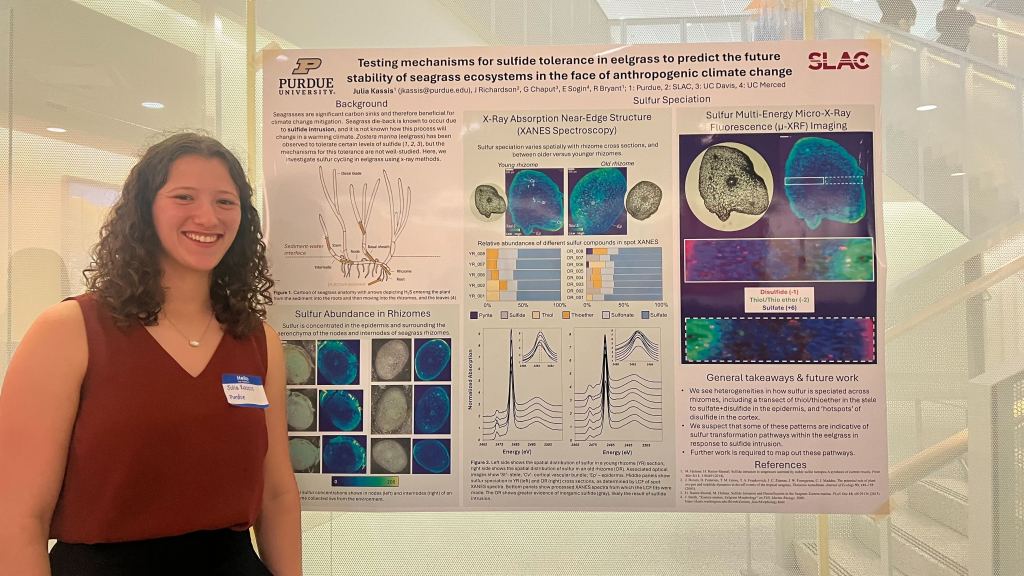
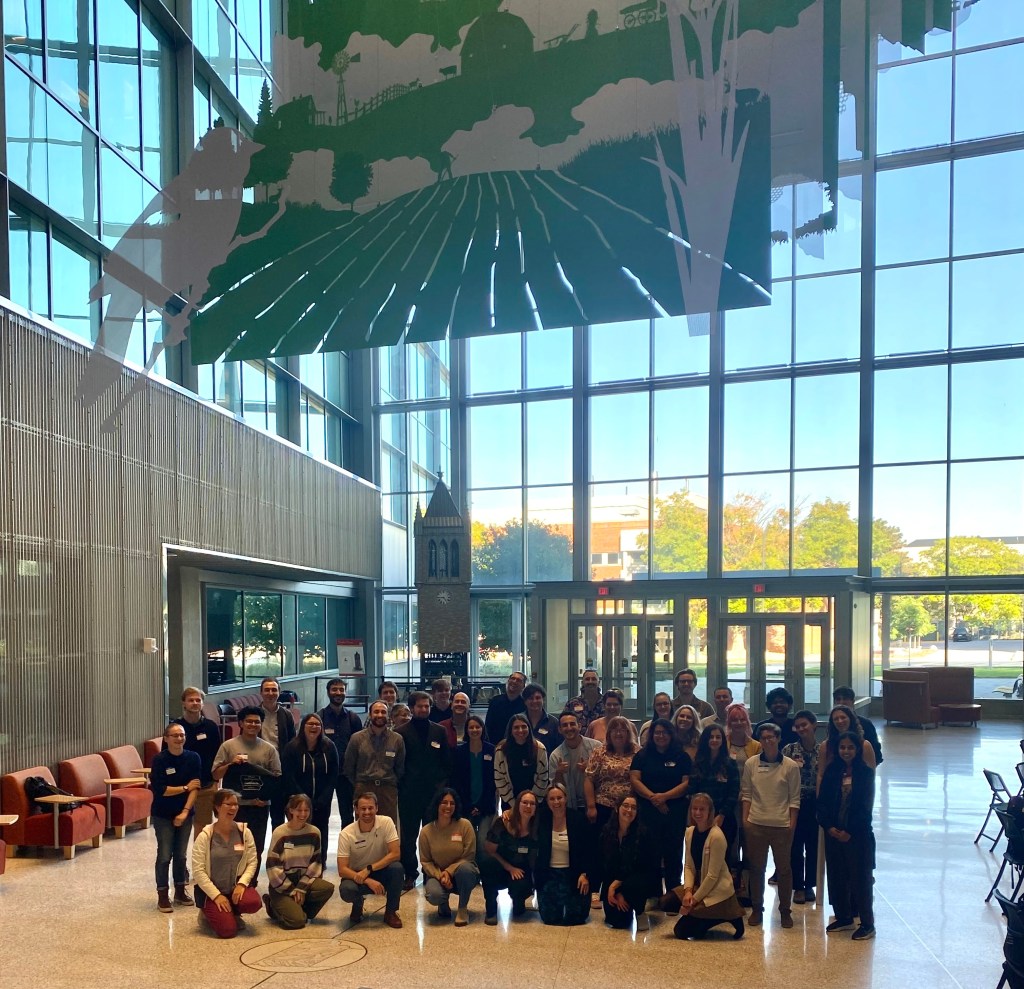
9/28/24 – The Bryant Lab attended our first conference–the 2024 Midwest Geobiology Symposium at Iowa State! All three of our students successfully presented posters detailing their recent research progress and plans, while Roger loitered awkwardly:
Julia Kassis (’26) interpreted her recent data from modern seagrasses analyzed at the Stanford Synchrotron Radiation Lightsource Laboratory. These data show sulfur concentration and speciation in seagrass tissues that may be indicative of sulfur transformation within the plants—providing ideas about the mechanisms seagrasses use to tolerate sulfide intrusion. An important start to determining how seagrasses might react to additional sulfide in the face of climate change!
Emily Apel (4th year PhD) showcased recent Scanning Electron Microscopy images of Morozovellid foraminifera from the Paleocene-Eocene Thermal Maximum. Soon these fossils will be analyzed for C-isotopes with the Wisconsin Secondary Ionization Mass Spectrometer!
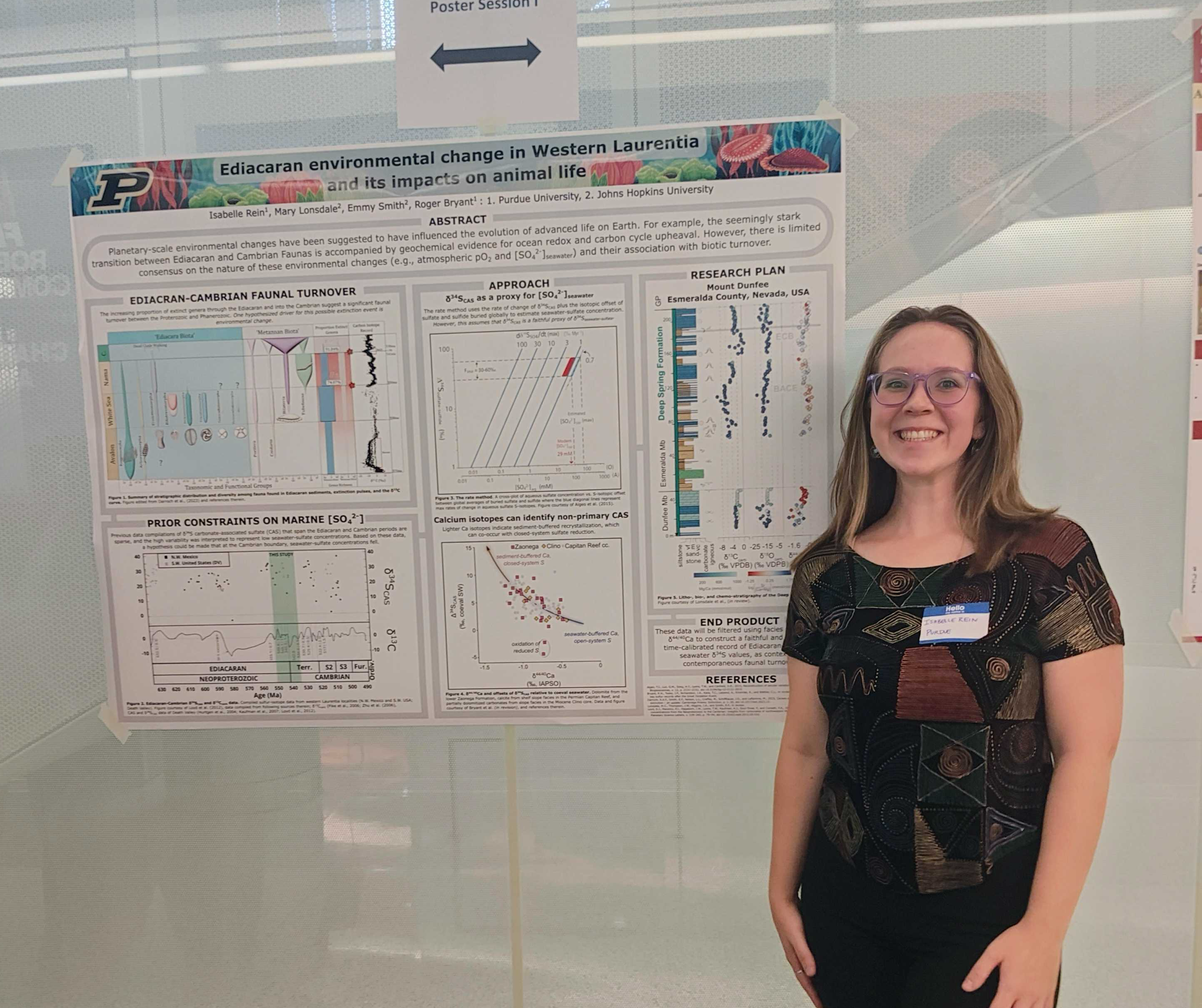
Isabelle Rein (2nd year PhD) discussed how δ 34SCAS isotopes can be filtered with δ44/40Ca isotopes to constrain faithful records of Ediacaran-Cambrian seawater sulfate concentrations. Isabelle was also awarded Runner Up for the Best Graduate Student Poster!
Look out next year for the 2025 Symposium will be hosted at our home institution–Purdue University!
Roger and colleagues have had two companion papers come out this Thanksgiving Day in Science Magazine. The collective message is that marine sedimentary pyrite sulfur isotopes (canonically a proxy for ocean oxidation state) are dominantly controlled by local environmental conditions (e.g., sedimentation rate, porosity, permeability, organic matter abundance, reactive iron abundance). This much was already suspected based on some decades-old papers and, since 2017, a body of work by Virgil Pasquier and others. What is new here is that methods have been developed to attribute mechanism to the local controls on pyrite sulfur isotopes.
Roger and colleagues at Washington University in St. Louis developed a method to isolate individual pyrite grains from sediment samples and measure their sulfur isotope ratios by Secondary Ion Mass Spectrometry. This method allows the extraction of information about metabolism (i.e., the magnitude of isotopic fractionation associated with microbial sulfate reduction) and ‘system openness’ (the degree of Rayleigh distillation of sulfate in sediment pore waters) from individual sediment samples. Ultimately, the latter factor was found to almost exclusively control variations in bulk pyrite sulfur isotopes between glacials and interglacials in a Pleistocene core from the Mediterranean.
Itay Halevy wrote the companion paper, which describes a state-of-the-art numerical model simulating pyrite formation in marine sediments. The model is applied to all published marine pyrite sulfur isotope ratios from modern sediments, and the sedimentary record. Itay argues that almost all bulk pyrite sulfur isotope data likely dominantly reflect changes in system openness (which can also be a function of parameters likely bottom water O2 and sulfate concentrations, in addition to the aforementioned local sedimentary parameters). The paper is a treasure trove of information and arguably one of the most important advances in the sulfur isotope world since the turn of the millennium.
See Roger’s paper here, and Itay’s paper here. See write-up of the papers (by Talia Ogliore at Washington University in St. Louis) here.
Roger has published a paper from his postdoctoral work at the University of Chicago, with coauthors Clara Blättler (PI), Tara Kalia (talented U Chicago undergrad), Jocelyn Richardson (SSRL), Olivier Gros (Universite des Antilles), and Juan Lopez-Garriga (University of Puerto Rico). The paper, included in the November issue of Geology, is titled “Inorganic sulfate–based signatures of chemosymbiosis in modern infaunal lucinids“, and is a bit of a thematic departure from Roger’s previous work. See explainer thread below:
We argue that most sulfate in modern lucinid shells is derived from pore water sulfide. This sulfate bears a clear signature of chemosymbiosis, and we suggest that carbonate-associated sulfate could be a useful proxy for chemosymbiosis in various fossils.









 The Bryant Lab